Predatory Aggression
Predatory aggression is not the same as being cruel or deliberately hurting another. Although sport hunters or recreational hunters and those who engage in animal cruelty often cite cats as role models, it’s a false equivalence.
Both cats and humans have the same brain structures, but the regions that are active and communicate with each other are different during predatory behavior vs voluntarily being cruel.
Predatory aggression involves primarily the lateral hypothalamus and the periaqueductal gray (PAG) in the midbrain. It’s an unemotional process.
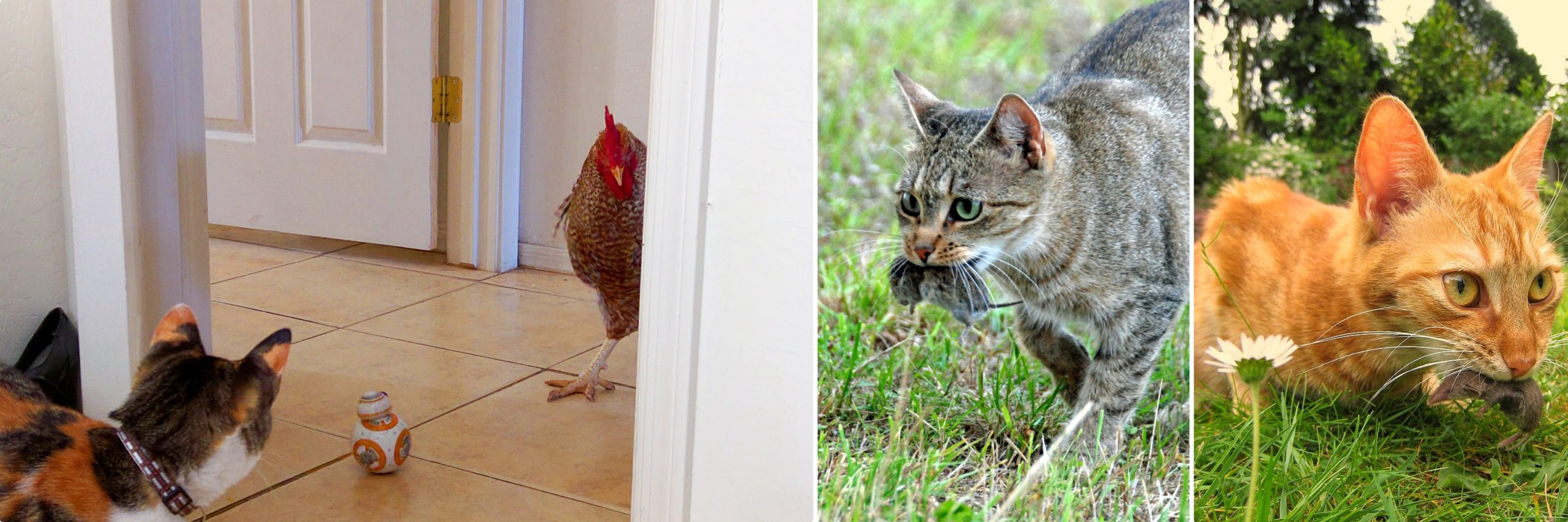
When the well-fed house cat catches a mouse and “plays” with it, people might assume the cat is being mean. But that’s not what’s happening in the cat’s brain. When a cat hunts, the lateral hypothalamus drives the behavior and emotional centers associated with empathy or pleasure are not activated. There is no malice, no satisfaction in causing pain, and no awareness that the prey is suffering. The cat’s brain is not processing “the mouse is suffering, that suffering feels good to me.”
Deliberate Cruelty
When people are intentionally cruel, the prefrontal cortex, along with associated structures such as the anterior insula and anterior cingulate cortex (ACC), are involved. A human sadist feels pleasure because they understand the victim suffers. This is different than what we might consider defensive aggression (active during a fight or flight response) which involves the medial hypothalamus, amygdala, and a different region of the midbrain.
For humans who intentionally inflict cruelty for enjoyment, the pleasure they experience comes from another’s pain, utilizing parts of the brain involved in making moral choices.
Cats who hunt for food kill quickly with a nape bite. Death for the victim can be almost instant. While well-fed house cats are far more likely to “play” with their prey than wild cats or cats who hunt for survival, it is because they are stuck in the predatory sequence without needing to eat the prey. They simply aren’t hungry enough.
Defending animal cruelty or sport hunting by comparing it to nature or feline predatory behavior is disingenuous and not fair to the cat. The cat is innocent.
A cheetah doesn’t feel anything about the antelope’s suffering. Its brain literally isn’t processing that information in an emotional or rewarding context. A human who gets a “thrill from the kill” is experiencing something the cheetah cannot, pleasure derived from recognized suffering. That’s sadism, not predation.
For intentional cruelty, the brain must first understand “this being is suffering” as a thought. That thought makes the person feel good. This sequence isn’t involved in feline predatory behavior.
Cats hunt because their lateral hypothalamus drives them to. Humans torture because their prefrontal cortex chooses to.
Intelligence vs. Cruelty
Intelligence is a human defined concept with human-selected criteria. If octopuses or crows or dolphins got to define intelligence, the benchmarks would look completely different. We’ve essentially said, “the things humans are good at equals intelligence” and then declared ourselves the winners of a contest we designed.
The real distinction between humans and other species isn’t intelligence or use of language. It is the capacity to plan prolonged cruelty, to be creative in all the various ways to kill, and to derive pleasure specifically from the suffering cruelty causes.
Most species fight with their own species for resources, mates, or territory. It’s limited, ritualistic, or stops at submission. Most predators kill only what they need to survive. Humans are the only species that seem to pursue unlimited destruction across all categories simultaneously.
The human mindset seems to be that “intelligent beings torture less intelligent ones.” But it’s not actually true in nature. The fact that it seems to be true for humans is an anomaly.
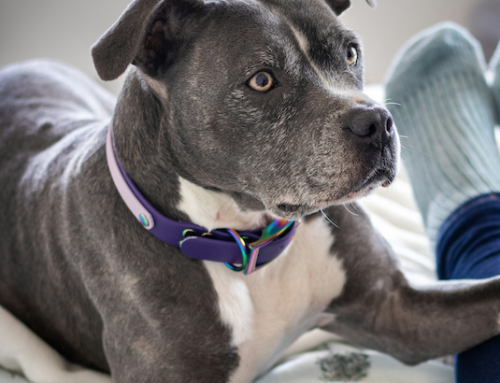
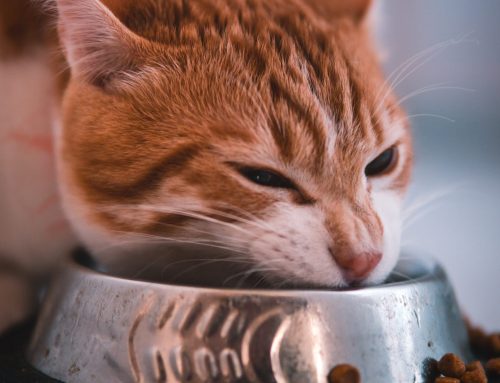
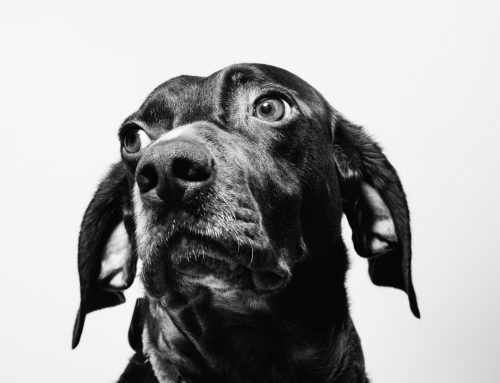
Photos: L, © Daniel Tuttle; C, © Kriss Szkurlatowski; R, © FreeImages
© 2026 Alana Stevenson. All Rights Reserved.