
Don’t carry kittens by the scruff.
Many of us have been taught to scruff kittens (to carry and hold kittens and cats by the back of their necks) because this is how the mother cat carries her kittens. This is not the correct way to carry and hold kittens. Kittens need to be fully supported when they are held and carried. If this can’t be done without risk of injury, it’s better to use a soft blanket or towel to hold or swaddle the kitten, rather than scruffing them. Gentle handling can go a long way in preventing a cat from panicking and can make future handling easier.
We often assume rough or poor handling won’t lead to negative consequences or behavioral side effects. However, animals learn from each and every interaction with us. Even a small amount of rough handling can be traumatic for the cat. This trauma can last for years—and sometimes the cat’s entire life. Cats who are poorly handled can become aggressive and fearful.

Gentle Handling principles
- Always approach animals slowly. Be gentle and steady with your movements. We often move abruptly or approach animals too quickly, which can cause them to startle or react in fear.
- Speak softly. Loud noises can startle cats.
- Don’t hang or carry the kitten by the scruff or back of the neck.
- Always support the kitten’s body.
- When carrying a kitten, try not to tip her vertically. Keep her body in its natural alignment or parallel to the ground as you carry her. Support the kitten’s torso or body with your hand, arm, or body.
- If you cannot touch or handle the kitten, swaddle the kitten in a small towel or blanket. This provides gentle compression, which many cats find calming. Many fearful cats and kittens want to hide and prefer to feel hidden. So, by covering a fearful cat, he will likely remain still and feel safer.
- Cats tend to be calmer when classical music is played. A study published in the Journal of Feline Medicine and Surgery on the influence of music on anesthetized cats showed that rock music, pop, and heavy metal caused the respiratory rates and pupil diameters of cats to increase.* Their respiratory rates slowed and their pupils became smaller when they were exposed to classical music. When working with cats, play light classical music rather than rock or pop.

**Mira F, Costa A, Mendes E, et al. Influence of music and its genres on respiratory rate and pupil diameter variations in cats under general anesthesia. Journal of Feline Medicine and Surgery 2015; 1-10.
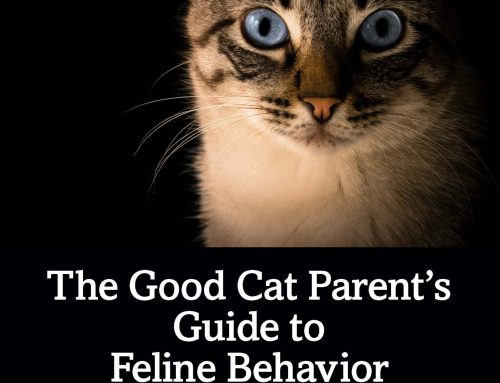
Humane handling techniques for cats are further addressed and demonstrated in The Good Cat Parent’s Guide to Feline Behavior Modification.
See also Alternatives to Scruffing Cats or watch Pick Up & Carry a Cat — for cats who don’t like being held for more tips.
© 2019 Alana Stevenson. All Rights Reserved.