Essentials Before Bringing Home a Puppy.
Toy Bin
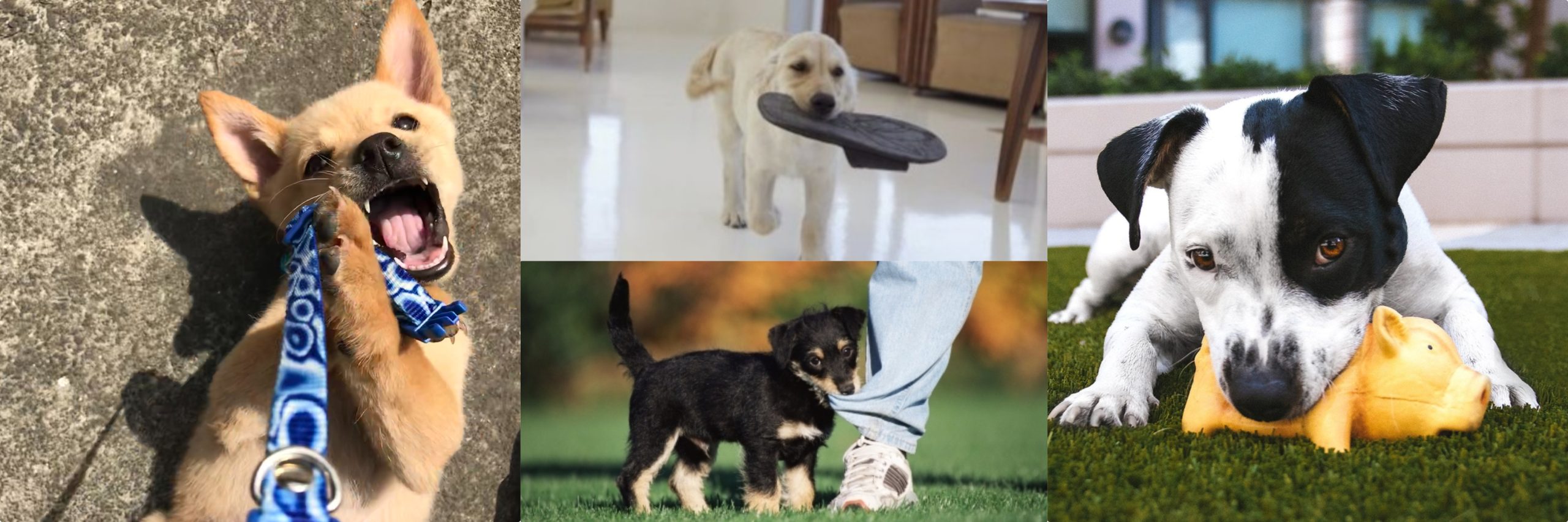
A toy bin is a must. It should be large, wide, and shallow, and your puppy should have access to all the toys. Include plush toys, rotate them, and keep them varied. The toy bin should be a “centerpiece” or placed in a prominent, obvious location so it’s easily accessible to your puppy. It designates a place for your puppy’s toys and gives him a visual marker so he knows what’s his to chew on—and what isn’t. If the sneaker comes from the toy bin, it’s his. If it comes from the closet, it’s not.
It’s important to be liberal with the toys and act interested in them. Puppies want what other puppies have. Their interest in an item is influenced by your interest in that item as well. Put toys back in the bin when you’re finished playing and avoid leaving them on the floor. This increases the value of the toys, and your puppy will likely take them out of the bin again. Your puppy should always have free and easy access to his toys.
Patience
Puppies bite, play, and chew—and bite and play and pee and chew. Then they sleep, and bite, play, and pee again. They will pee in your house until they are house-trained. House-training takes time. It goes faster when you are positive and take your puppy out frequently—this includes in the middle of the night. Puppies are full of energy and quite a handful. They are essentially toddlers without diapers, and with sharp teeth. Realize that your puppy will outgrow many tiresome behaviors—such as attacking your legs and chewing on you—when you handle things humanely and are patient. These are simply stages in your puppy’s development.
Potty Bells
Hang bells on the doorknob of the door you’ll use to take your puppy outside. Tap the bells with your hand at your puppy’s nose level before you open the door to take him out. Eventually, he will bump the bells on his own by learning through observation to request that you open the door. When your puppy nudges or bumps the bells, it’s important that you open the door!
Enough Food
Puppies should not be put on diets and should be fed at least three large meals a day. Do not keep your puppy hungry. Puppies are continuously growing, and they go through many developmental stages and changes in very short periods of time. They should eat when they’re hungry and until they’re satisfied. Restricting meals in puppies can cause hyperactivity, anxiety, and aggression around food. If your puppy can’t calm down or seems overly revved up, it might be that he’s hungry—or overtired.
A Communal or Social Place to Sleep
Your puppy will behave better if he can sleep in the bedroom with you or other family members at night—or, if there are other dogs, where the other dogs are. Puppies do not like to be alone. They will sleep better if they learn to sleep on your schedule, and they will be easier to housetrain.
Gates
Over-crating is a cause of many behavioral problems. When crates are paired with being left alone, they can worsen—or even cause—separation anxiety. Self-standing gates allow more flexibility. Your puppy can move around, have more freedom, and access more rooms—while you can still manage him to keep him safe and out of trouble.
To learn more about puppy behavior and positive dog training techniques, read Training Your Dog the Humane Way or The Right Way the First Time.
© 2018 Alana Stevenson. All Rights Reserved.